
Can You Be Born With Sjogren's Disease? What Research Says
Can you be born with Sjogren’s disease, or is it an autoimmune condition that develops later in life?
Current research has not established that someone can be born with their own active Sjogren’s disease. However, a person can be born with a genetic predisposition to the condition, and newborns can temporarily carry Sjogren’s-associated antibodies passed from their mother during pregnancy.
Research also suggests that autoimmune changes associated with Sjogren’s may begin years before someone receives a diagnosis. But being born with susceptibility to Sjogren’s disease is not the same as being born with the disease itself.
Is Sjogren's Disease Hereditary?
Sjogren’s disease is a systemic autoimmune condition that can affect much more than the eyes and mouth. Researchers believe its development involves a combination of genetic susceptibility, immune-system activity, and environmental influences.
Having a parent with Sjogren’s disease may increase someone’s risk of developing the condition. However, increased risk does not mean a child will develop Sjogren’s disease. Many children with a family history never develop it. Family history provides useful context, but it cannot predict an individual’s future health.
Can Babies Be Born With Sjogren's Antibodies?
Yes. During pregnancy, certain maternal antibodies can cross the placenta and enter the baby’s bloodstream. These include anti-SSA/Ro and anti-SSB/La antibodies, which can occur in people with Sjogren’s disease and other autoimmune conditions.
A newborn may temporarily test positive for these antibodies because they were transferred from the mother. That does not mean the baby has Sjogren’s disease.
Maternal antibodies generally decline during infancy. In some pregnancies, these antibodies can contribute to neonatal lupus, which may affect a baby’s skin, blood cells, liver, or heart. Neonatal lupus is different from systemic lupus and Sjogren’s disease, and most babies exposed to these maternal antibodies do not develop it.
Can Children Develop Sjogren's Disease?
Yes. Although Sjogren’s disease is more frequently diagnosed in adults, it can occur in children. One published case report describes Sjogren’s disease diagnosed in a child who was just two years old. That child tested negative for anti-SSA/Ro and anti-SSB/La antibodies, an important reminder that negative antibody testing alone does not automatically exclude Sjogren’s disease.
However, diagnosing Sjogren’s in a two-year-old does not establish that the child was born with the condition. It demonstrates that Sjogren’s can become clinically recognizable at a very young age.
Early Signs of Sjogren's Disease in Children
Childhood Sjogren’s disease may look different from the condition typically recognized in adults. Dryness may be less prominent, while other symptoms can bring a child to medical attention.
- Recurrent swelling of the salivary glands, particularly around the cheeks or jaw
- Persistent or unexplained fatigue
- Joint or muscle pain
- Dry eyes or dry mouth
- Other unexplained systemic symptoms
These symptoms can have many explanations and should not automatically be attributed to autoimmune disease. Parents who notice persistent or recurring symptoms should discuss their concerns and family medical history with their child’s healthcare professional.
Could Sjogren's Disease Begin Years Before Diagnosis?
Studies examining stored blood samples from people who eventually developed Sjogren’s disease have identified autoimmune antibodies many years before diagnosis. Some research has detected antibodies approximately 18 to 20 years before diagnosis, and researchers have also identified certain immune-system changes years before Sjogren’s was formally recognized.
These findings suggest that autoimmune activity may precede diagnosis by a considerable amount of time. However, detecting antibodies or immune-system changes does not necessarily establish that someone had clinically active Sjogren’s disease throughout that period.
We still cannot determine exactly when Sjogren’s disease begins in every individual.
If My Mother Has Sjogren’s Disease, Will I Develop It?
Not necessarily. Having a parent with Sjogren’s disease may increase genetic susceptibility, but it does not guarantee that someone will develop the condition.
For families, the practical approach is to know their medical history and share it with healthcare professionals. If a child develops persistent or unexplained symptoms, family history may help guide the evaluation. That does not mean every symptom should be viewed through the lens of autoimmune disease.
So, Can You Actually Be Born With Sjogren’s Disease?
Current research supports several important distinctions:
- Someone can be born with genetic susceptibility to Sjogren’s disease.
- A newborn can temporarily carry maternal antibodies associated with Sjogren’s.
- Children can develop Sjogren’s disease, sometimes at a very young age.
- Autoimmune changes may occur years before a diagnosis.
What research has not established is whether someone can be born with their own active Sjogren’s autoimmune disease process.
A diagnosis tells us when the condition was identified. It does not necessarily tell us when the underlying biological process first began.
Why This Question Is Personal to Me
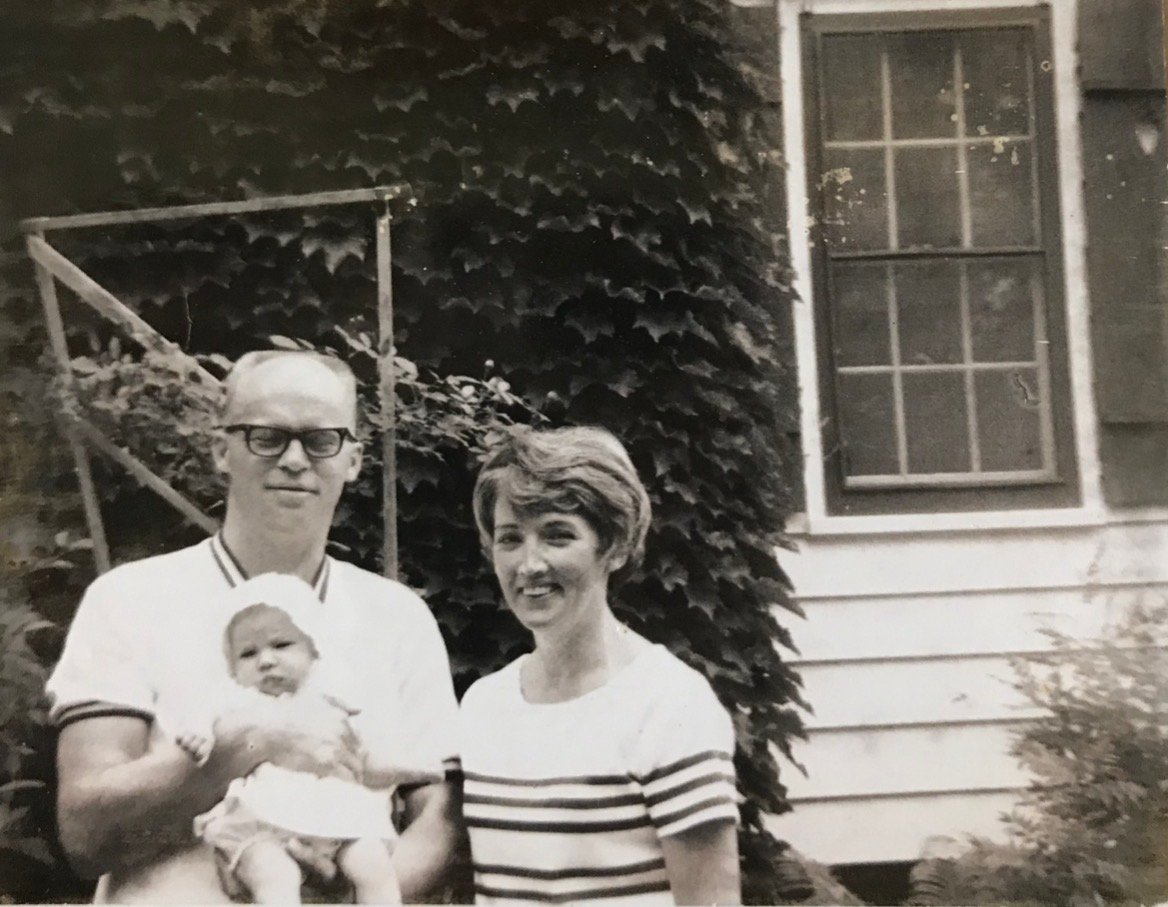
My mother lived with Sjogren’s disease and rheumatoid arthritis. Years later, I received my own Sjogren’s diagnosis.
I’ve often wondered how far back my autoimmune history really goes. Could my autoimmune story have begun much earlier than my diagnosis suggests?
I don’t have proof that I was born with Sjogren’s disease, and I wouldn’t present that possibility as established medical fact. But my family history and personal experience made me curious enough to investigate what researchers have discovered.
Want to Explore the Research Behind This Question?
I published a more extensive Jody Investigates article examining genetic susceptibility, maternal antibody transfer, childhood case reports, and studies looking at autoimmune activity long before diagnosis.
Read the full Jody Investigates article: Can You Be Born With Sjogren’s Disease?
Sometimes the question isn’t simply when someone was diagnosed. It’s how long something may have been happening before anyone recognized it.
– Jody
Sjogren’s with Jody | Patient Educator, Advocate & Navigator
Medical Disclaimer: This article is for educational purposes only and does not constitute medical advice. Research cannot determine when Sjogren’s disease began in any particular individual. Please consult a qualified healthcare professional regarding personal symptoms, diagnosis, or treatment.